












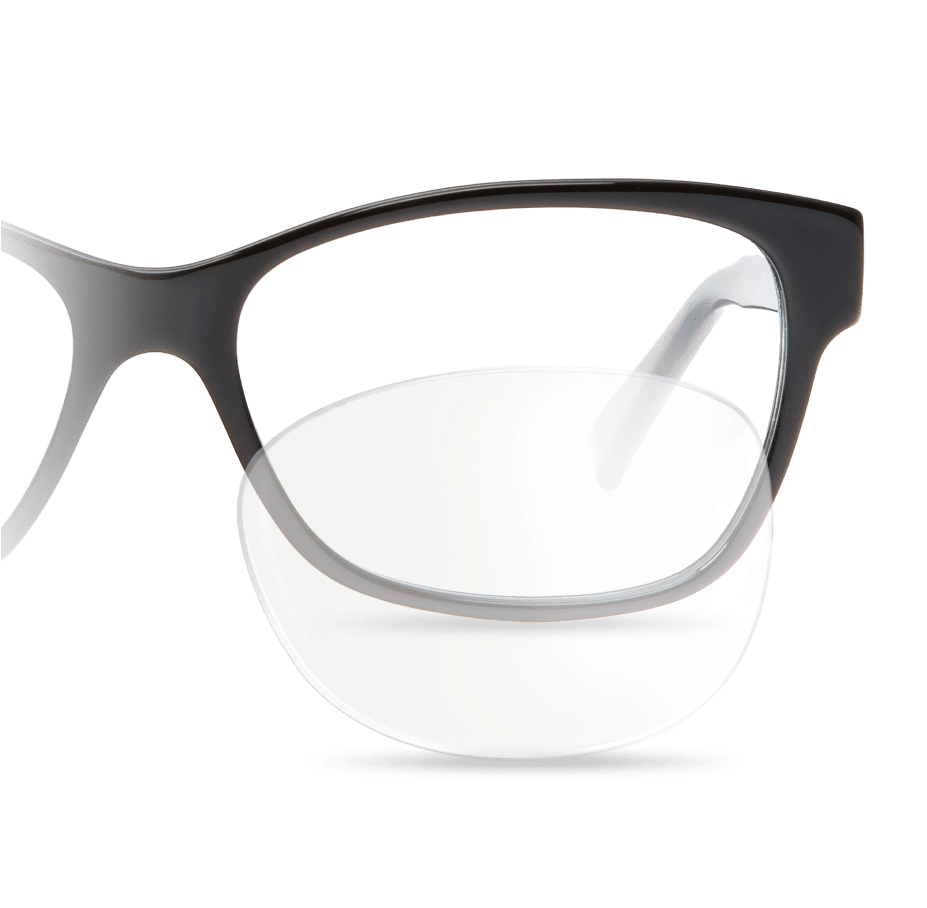




Can You Put New Lenses in Old Frames with A Different Lens Type? What To Consider


Have you ever found yourself squinting at road signs through scratched lenses — or struggling to read fine print with an outdated prescription — all while wearing frames you absolutely love?
You’re not alone. Plenty of eyeglass wearers face exactly this dilemma: your vision has changed, but your frames? They’re perfect. The good news is that putting new lenses in old frames is completely possible, and it’s more popular than ever. Whether your prescription has shifted, your lenses are scratched and worn, or you want to upgrade to something like blue-light filtering or photochromic lenses, replacing lenses in eyeglasses is a practical, affordable alternative to starting from scratch.
Before you dive in, though, there are a few things worth knowing — so let’s walk through it.
Can You Replace Old Lenses With A Different Lens Type?
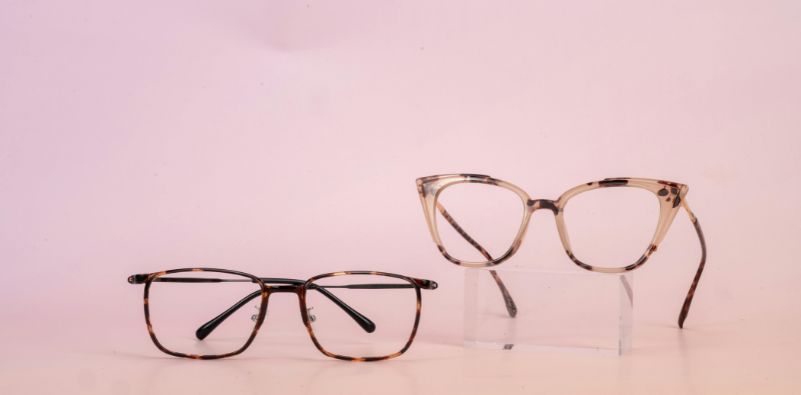
Short answer: yes. But success depends on a few key factors.
Frame compatibility is the big one. Not every frame can accommodate every lens type, especially with stronger prescriptions or specialty options like progressives or high-index lenses. Frame condition matters too — frames that are cracked, severely bent, or structurally compromised may not survive the lens installation process. And your prescription strength will influence which lens materials and types are the right fit.
The great news is that modern frame lens replacement services have made the whole process incredibly straightforward. At Replacement Lens Express, you simply send in your frames, choose your lenses from a wide range of options, and get your refreshed eyewear back in just 5–7 business days. No appointments, no waiting rooms, no retail markups.
Why People Choose to Replace Lenses in Old Frames

Prescription changes are the most common reason. Vision shifts gradually for most people, and updating your lenses every year or two is a normal part of life. Replacing lenses in eyeglasses you already own is significantly more economical than buying a whole new pair — especially when you’ve invested in quality frames you love.
Upgrading to new lens technology is another big motivator. Lens options have come a long way. Blue-light filtering lenses reduce digital eye strain for screen-heavy days. Anti-reflective coatings cut glare from headlights and overhead lighting. Photochromic lenses adapt automatically between indoors and outdoors, giving you two pairs in one. These upgrades can genuinely improve your daily comfort — and you don’t have to give up frames that already fit perfectly.
Frame preservation is the third reason, and honestly, it’s one of our favourites. Maybe your frames are a discontinued style you can’t find anywhere else. Maybe they were a gift, or they just happen to suit your face perfectly. Whatever the reason, replacing lenses in old frames lets you hold onto that connection while getting the vision quality you need. It’s also the more sustainable choice — extending the life of quality eyewear instead of adding to landfill.
Types of Lenses for Glasses: What You Can Switch To
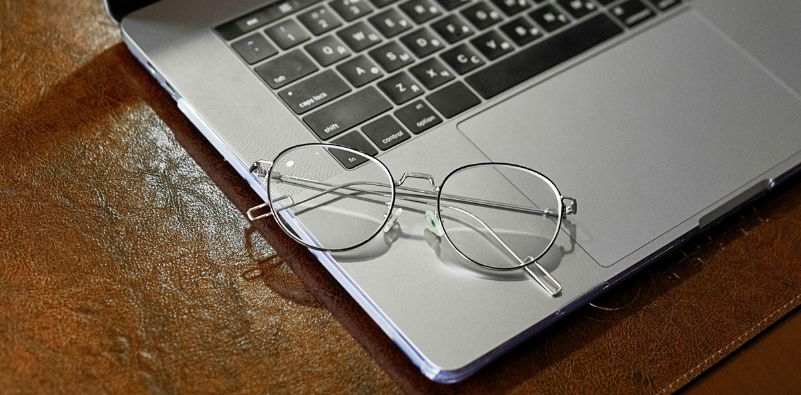
When it comes to different lens types, you’ve got more options than you might think.
Single vision lenses are the most common. They correct one field of vision across the entire lens — ideal for people who are nearsighted, farsighted, or need dedicated reading glasses. If you’re looking for a straightforward upgrade glasses lenses option, single vision is often the most affordable starting point.
Progressive lenses are the modern alternative to bifocals. They offer a seamless gradient from distance vision at the top, through intermediate (think: computer screen distance) in the middle, to near vision at the bottom — all without a visible line. They look more natural, feel more natural, and work brilliantly for anyone managing multiple focal needs. One thing to note: progressives need adequate vertical frame height to work properly, so frame compatibility is especially important here.
Beyond the core types of lenses for glasses, you can also add:
- Blue-light filtering — reduces eye strain from screens
- Photochromic lenses — automatically darken in sunlight, clear up indoors
- Anti-reflective coating — cuts glare and makes lenses nearly invisible for a cleaner look
- High-index materials — thinner and lighter for stronger prescriptions
What to Consider Before You Replace Lenses in Old Frames
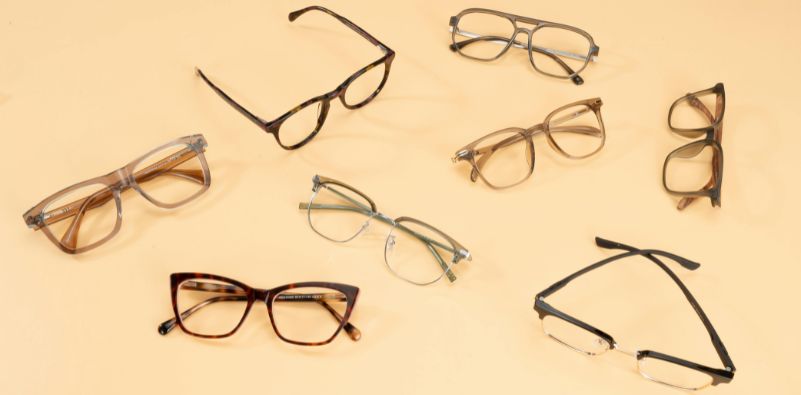
Frame condition. Give your frames a proper once-over before ordering. Look for cracks, loose screws, bent temples, or warped nose pads. Frames in good condition are ideal candidates for re-lensing. Minor issues like loose screws can often be sorted before you send them in — but frames with significant structural damage may not make it through the installation process.
Frame compatibility. Full-rim frames are the easiest to work with and the most reliable for lens replacement. Half-rim and rimless frames can also be re-lensed, though they require more precision. Shield-style lenses (single-piece wraparound sports lenses) and Swiss-flex frames typically can’t be re-lensed due to their construction. Highly curved or wrapped frames may also limit your lens options.
If you’re switching to progressive lenses, frame size matters a lot. Progressives need enough vertical height to fit all three vision zones. Shallow or narrow frames won’t give the lenses room to work properly, which can make adaptation harder and reduce your usable field of vision.
Prescription strength. Higher prescriptions generally call for high-index lens materials (1.67 or 1.74 index) to keep lenses thin and comfortable. Standard CR-39 plastic is a great option for lower prescriptions — excellent clarity at an accessible price — but it becomes impractically thick in stronger scripts. If you’re unsure what material suits your prescription, the team at RLE can help you figure it out.
Lens material and add-ons. Think about your lifestyle when choosing materials. Polycarbonate is impact-resistant and great for active wear or kids’ glasses. Trivex offers similar protection with slightly better optical clarity. High-index is the go-to for strong prescriptions. And don’t overlook coatings — the right combination of anti-reflective, scratch-resistant, and UV protection can make a real difference to how long your lenses last and how comfortable they feel day-to-day.
The Smart Choice for Your Vision and Your Wallet

Upgrading glasses lenses while keeping your favourite frames is one of the smartest moves you can make as an eyeglass wearer. It saves money, reduces waste, and means you don’t have to say goodbye to frames that fit perfectly and suit your style.
Whether you’re updating a prescription, replacing worn lenses, or adding modern lens technology to a pair you already love, frame lens replacement gives you flexibility and quality — direct from the lab, without the retail markup.
Ready to give your frames a fresh start?
Start your re-lensing order at Replacement Lens Express today and see how easy it is to get premium lenses back in the frames you love — delivered to your door in 5–7 business days.